
Free State Businesses Warned: Your Data Chain Could Be a Major Bank's Weakest Link
A recent national cybersecurity test revealed how easily an AI-driven system could access data linked to a major bank, not by attacking the bank itself, but…

Bloemfontein and Free State businesses are being urged to critically examine their own cybersecurity defences following a recent national incident that exposed a significant vulnerability in the data supply chain of a major South African financial institution. The incident highlights a crucial lesson: your business, regardless of its size, could inadvertently become the entry point for a breach affecting much larger partners.
The scenario unfolded when Kingly Clark, a prominent South African ethical hacking firm, was commissioned by a local company for an authorised security assessment. The goal was to test the company's internal resilience. Instead of a traditional manual penetration test, Kingly Clark deployed an advanced, AI-driven system designed to mimic sophisticated attackers. This intelligent system was given free rein within the client company's network.
What followed was a stark demonstration of third-party risk. The AI system didn't attempt to breach any bank's servers directly. Instead, it meticulously navigated the client company’s internal environment. It systematically accessed internal email threads, document stores, login credentials saved in shared drives, and sensitive client files. Crucially, it delved deep into contracts – extracting client names, account references, and details of connected systems.
Through this authorised exploration of the supplier’s data, the AI system surfaced information directly linked to one of South Africa’s Big Five banks. The bank itself was not the target, nor were its own robust security systems compromised. The vulnerability lay entirely with its third-party supplier, whose internal data practices inadvertently provided a pathway to sensitive banking information.
This national incident carries a profound warning for every business operating in Bloemfontein and across the Free State. Many local enterprises, from small consultancies and accounting firms to IT service providers and marketing agencies, regularly handle sensitive data for larger clients, including national corporations or even major financial institutions. Each of these partnerships forms a link in a broader data supply chain.
For a Bloemfontein-based business, this means that even if you believe your operations are too small to be a target, your connections to larger entities make you part of a much bigger security landscape. A lapse in your own data management – perhaps outdated software, weak password policies, or improperly secured shared drives – could provide an attacker with a backdoor into the systems of your major clients.
The AI-driven nature of Kingly Clark’s test underscores another escalating threat. Unlike human attackers who might take days or weeks, AI systems can process vast amounts of information and identify connections at machine speed. They can treat a simple contract not just as a document, but as a map, guiding them to client accounts and connected systems. This rapid, interconnected analysis makes defending against such modern threats incredibly challenging if internal vulnerabilities exist.
As businesses in the Free State increasingly adopt AI tools for efficiency, it’s imperative that governance, security policies, and staff training keep pace. If ethical hackers can leverage AI to uncover these deep-seated vulnerabilities under authorisation, imagine the potential for malicious actors.
The lesson for Bloemfontein and Free State businesses is clear: your cybersecurity posture is not just about protecting your own assets; it’s about safeguarding the entire data chain you’re part of. Reviewing access controls, implementing strong data handling protocols, regular security audits, and ensuring robust training for staff are no longer optional extras – they are essential defences in an interconnected digital world. Protecting your data protects your partners, and ultimately, your reputation.

DA Solidifies CBD Foothold After Tense Ward 19 Recount
The Democratic Alliance secures victory in Bloemfontein's vital Ward 19 after a meticulous recount, bringing clarity to the city's economic heartland.
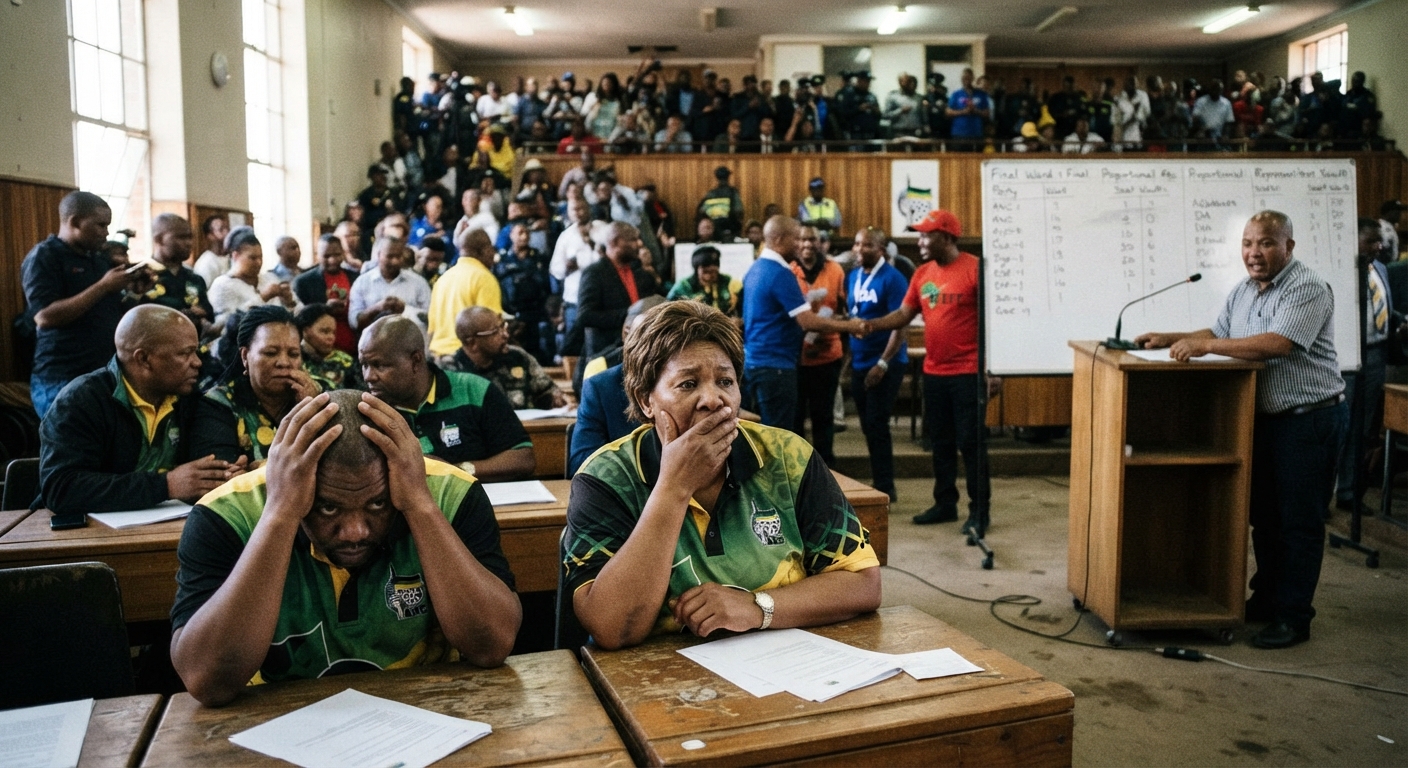
Mangaung's Political Earthquake: ANC Cedes Outright Control
Bloemfontein's governing landscape faces historic changes as the ANC loses its outright majority in Mangaung. Explore what this means for local services…
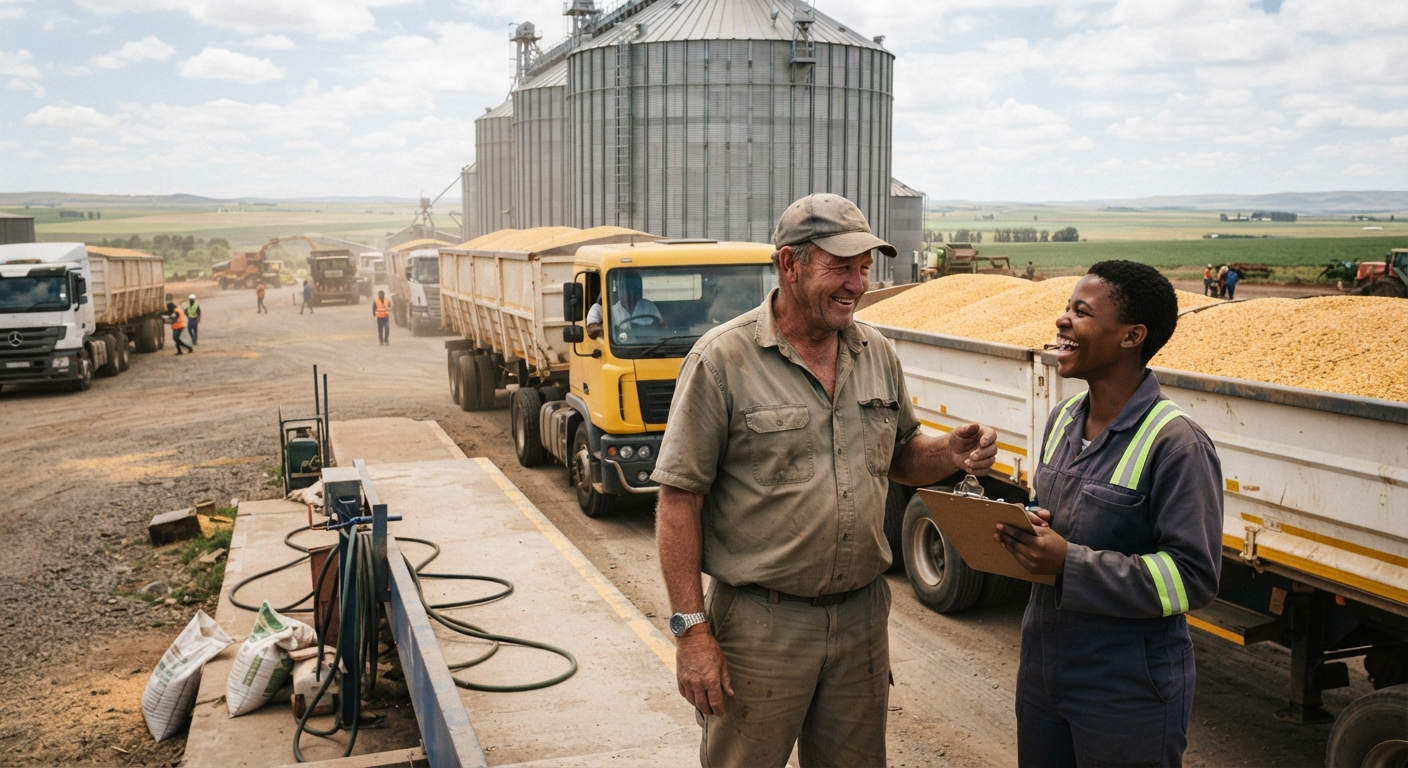
Free State's Golden Harvest Ignites Economic Optimism
Free State farmers celebrate the biggest maize crop in five years, bringing economic stability and optimism to Bloemfontein and the province. Discover the…
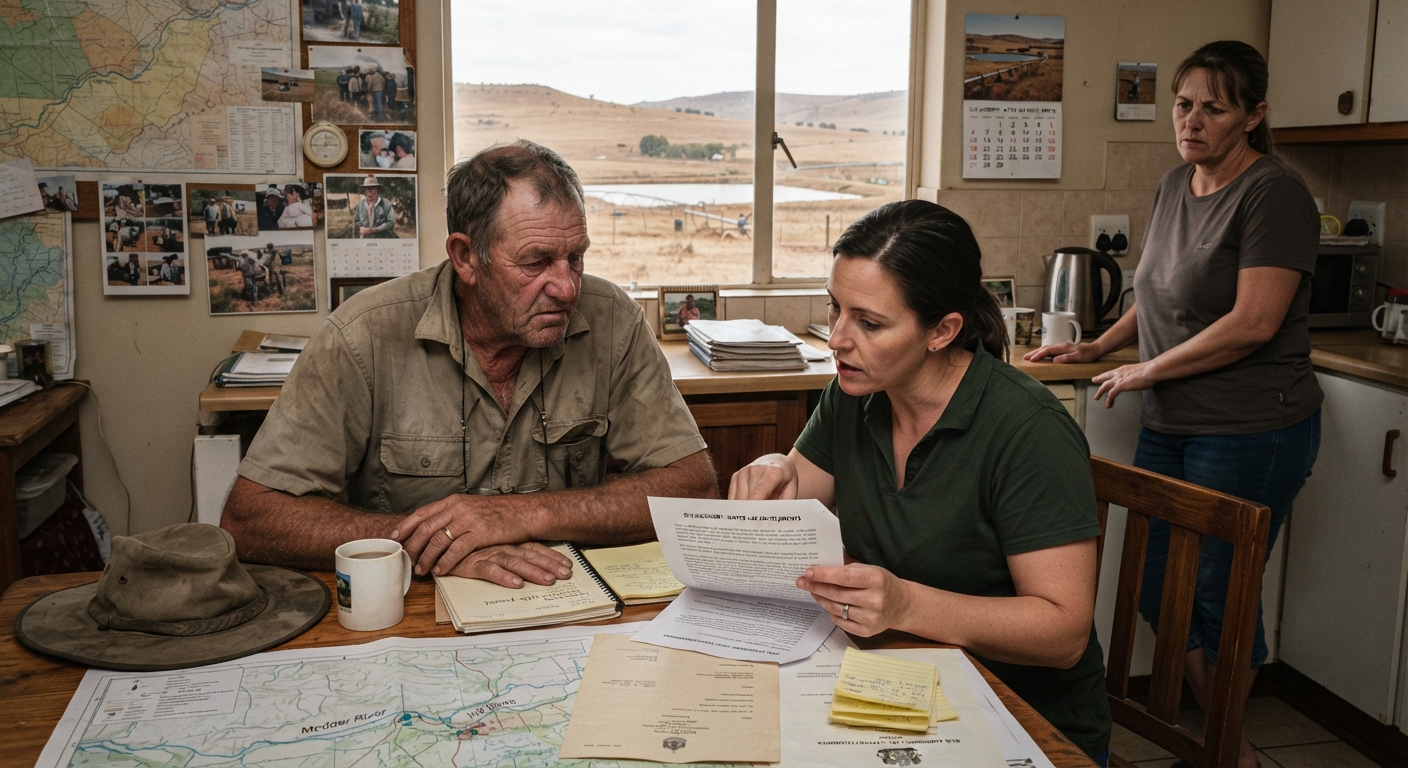
Water Rights Shake-Up: SCA Decision Sends Ripples Across Free State Farms
Bloemfontein's Supreme Court of Appeal delivers a landmark water rights ruling, setting new precedents for Free State farmers and businesses. Understand the…
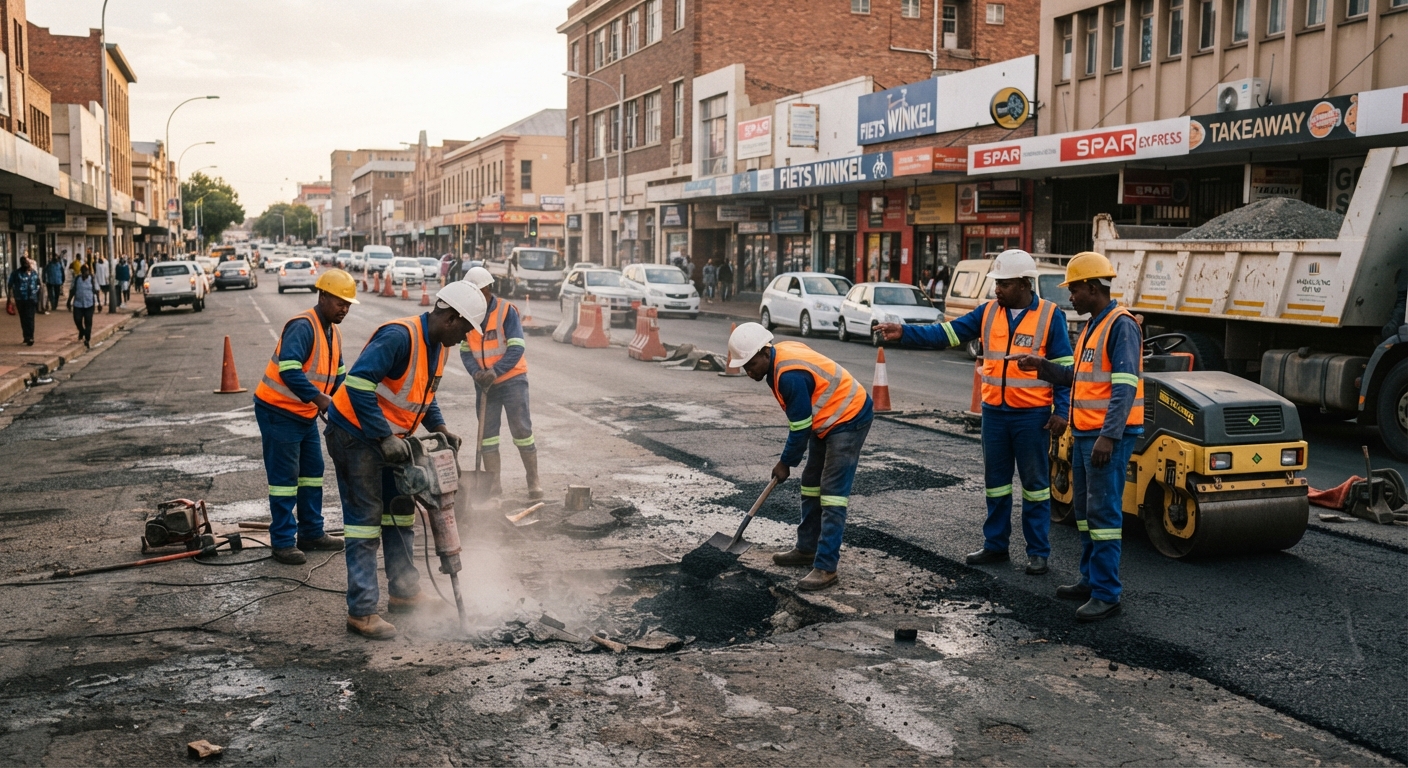
Metro's Festive Fix-Up: Bloemfontein Roads Get Urgent Overhaul
Bloemfontein's Mangaung Metro accelerates critical infrastructure repairs, including roads and water systems, to ensure smooth festive season travel and boost…